We all carry a fantasy of the perfect reading environment: dim lights and silence, or a dark sky, rain tapping softly, and a book in hand. Reality, however, had other plans. And honestly, it delivered. Last year, our most dramatic literary moments happened in the most ordinary places, wherever life happened to pause. Be it in waiting lines, on the Super Metro stage, clutching hard copies while strangers silently judged our life choices (Lucy, mind your business). Chapter chasers squinting at novels on their phones, stealing chapters between notifications, trying to squeeze in “just one more chapter". Not to forget our audiobook lovers on Veady’s case, juggling spotty downloads, missing chapters and the constant hunt for a good narrator. Well, this is part of the 1000 lives readers get to live before they die.
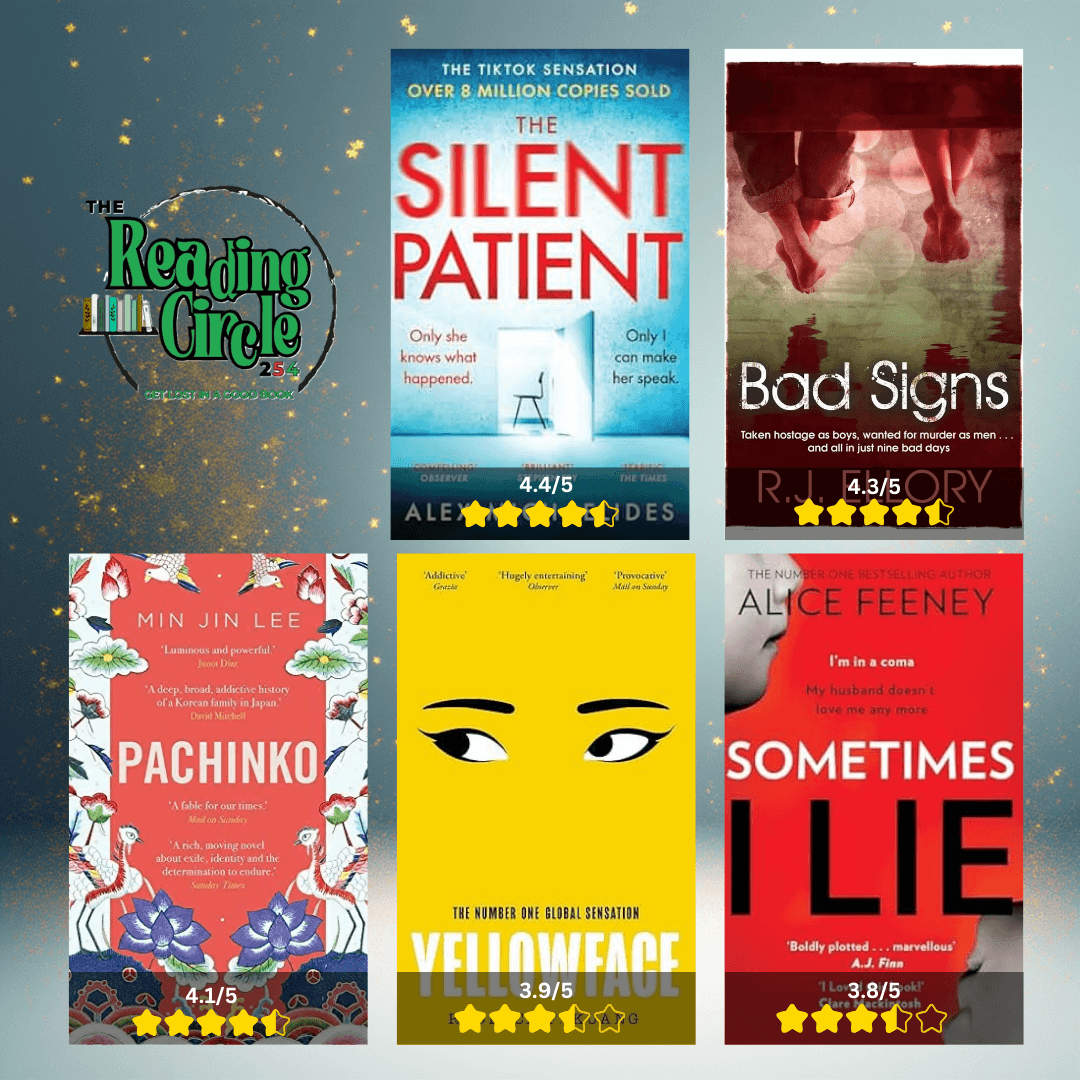
Through it all, The Reading Circle’s heart kept pounding - loud, messy and unstoppable. Month after month, we gathered in parks, over coffee and tea, at painting events, or virtually, to dissect thrillers, satires, historical fictions, romance, and everything in between. What unfolded was chaos in the best way: banter, strong and wildly unhinged opinions, personal confessions and zero chill. Some books floored us mid-commute, others we bravely pushed through, but all of them shaped a great year. One of shared stories, unexpected spaces, and unforgettable reads. So… let’s take a trip down memory lane with our Top 5 reads of the year.
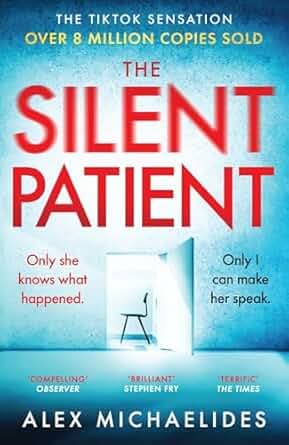
A talented painter shoots her husband five times and then falls eerily silent - until a determined psychotherapist uncovers the shocking truth behind her mute betrayal.
Kicked off our reading year with sharp psychological tension and a quiet, gripping intensity that pulls you in and keeps you second guessing every page. Told through Theo’s unreliable voice, the story blurs reality and perception so completely that you’re left asking whose madness you’re actually witnessing, a question that lingers long after his claim that “we are all crazy, just in different ways.”
The nod to Alcestis adds depth for readers familiar with Greek mythology, underscoring the idea that survival itself demands meaning from suffering. Claustrophobic, provocative, and emotionally charged, the novel doesn’t just entertain - it unsettles, sparks debate, and sets a bold, unforgettable tone for our top five reads of the year.
Themes: Silence, Voice, and Control; Trauma and the Unreliability of the Mind; Obsession and voyeurism.
Weakness: The twist, though shocking, may feel predictable to veteran thriller readers.
“You can help heal trauma, but no surgeon alive could separate TRC members and trauma.”
This book still pops up in our conversations. “Kept on edge”, “what the hell just happened”, “page turner”, “emotional rollercoaster” were the recurring reviews. One member even admitted the book felt like a free masterclass on getting away with murder. Silence truly is a weapon. Yes, even seasoned yappers like you, should try it sometimes.
Top rated book of the year. Esther Nekesa, take your flowers 🌸.
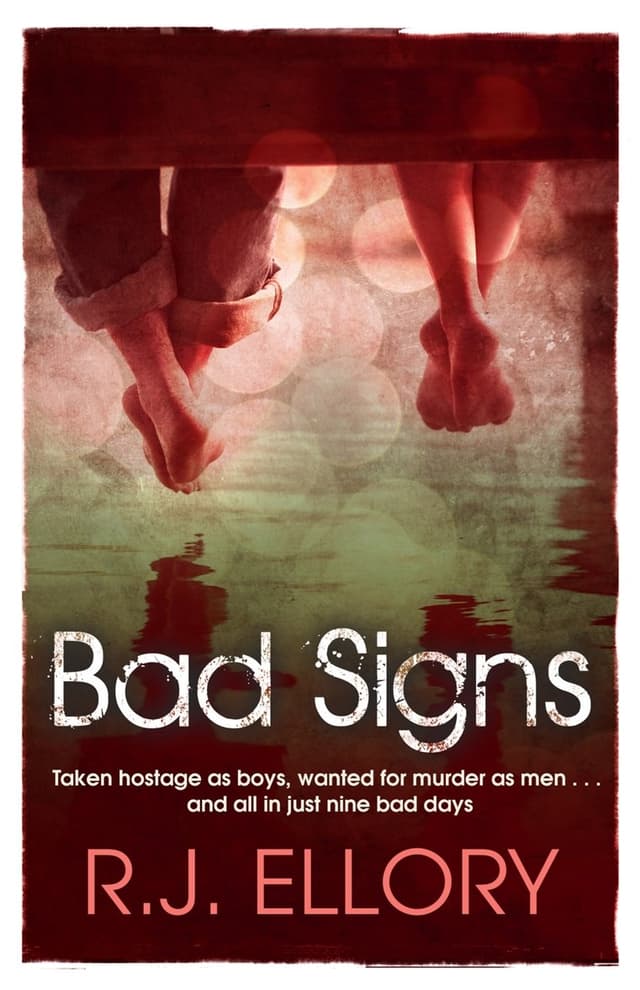
Orphaned half-brothers escape a brutal institution with a psychotic killer, unleashing a blood-soaked 1960s road trip that asks whether evil is born or made.
Staying true to our trauma and thriller-heavy year, Bad Signs catapults us from the controlled tension of The Silent Patient straight into moral chaos. R.J. Ellory delivers a sharp, gripping story about two brothers; Clarence Luckman and Elliot Danzinger - whose lives splinter under extreme pressure. Through their stark contrast, Clarence clawing toward hope and redemption while Elliot spirals into nihilism and collapse, Ellory keeps us on edge while probing uncomfortable questions about fate, choice, and character. This read refuses easy answers, instead asking whether we are shaped by our decisions or by the circumstances that trap us. Its power lies in its restraint, showing how the same darkness can forge vastly different men. We are left to question whether luck was ever on Clarence’s side at all.
Themes: Nature vs. Nurture; Trauma and brotherhood; Violence as a product of systemic failure.
Weakness: The relentless violence can overshadow character nuance.
“Mixed feelings” doesn’t even begin to cover it, but it was still greatly loved. “Loved the chaos”, “hard to put it down”, “slow-burning violence that keeps you on edge”. The violence had us questioning the writer’s sanity (respectfully). And yes, Digger and Earl Sheridan topped the HATE list. Cinematic? Absolutely. Sign me up for the movie. T Shukran, this recommendation deserves the book version of the Puskas Award.
“Waraka wa amani, uliowafanya Wayahudi,
Washindwe kula na kunywa wakati ule.”
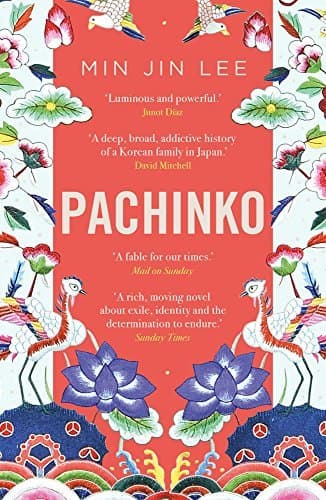
Wueh! Pia sisi karibu tushindwe kula na kunywa. If you haven’t read Pachinko, you wouldn’t believe it had us voting Bahati Bukuku’s “Waraka” as its theme song.
Pachinko marked a gentle but powerful shift in our reading year, moving us from high-stakes thrillers into a quieter, sweeping meditation on life, survival, and identity. Spanning generations, Min Jin Lee follows a Korean family in Japan as they navigate displacement, discrimination, love, and loss. Her restrained, deliberate prose lets meaning accumulate slowly, mirroring the pachinko game itself, where lives are shaped as much by chance as by choice. This is a reflective novel that rewards patience, finding its strength in small decisions, quiet sacrifices, and ordinary endurance. Its lasting impact lies in its honesty, reminding us that survival isn’t always heroic, but it is deeply human.
Themes: Identity and belonging; Fate and survival; Family and generational resilience.
Weakness: Its vast scope can feel overwhelming or slow-paced.
Yes, it was long. Yes, DNFs happened, I suspect even for the moderators. But we had a great time at ArtCaffe dissecting it. “Culturally rich and immersive”, “beautiful read”, “completely engrossed”, consistently appeared in the reviews. Resilience carried this one. Hate still clocked in, especially for Noah who opted to DNF his life. Where are his whips?!
Pachinko closed the podium positions for us. Big thanks to Sumaiya Juma for this recommendation.

A struggling white author steals her deceased rival’s manuscript about Chinese laborers and publishes it as her own, igniting fame, plagiarism accusations, and ruthless publishing satire.
Cultural appropriation? Ownership of stories? Racism and privilege in publishing? Envy and delusion? Yes. All of it.Yellowface is chaos, clout, and questionable choices wrapped in a razor-sharp, fast-paced read. Sitting at the crossroads of satire and thriller, Kuang peels back the publishing world’s curtain, exposing social media absurdities, performative morality, and the industry’s obsession with outrage. The story follows Juniper, an intentionally unlikeable and unreliable narrator, whose spiraling antics are as exhausting as they are magnetic. Every character is flawed, every move morally messy, yet impossible to ignore. Exploring identity, appropriation, racism, ambition, and the commodification of stories, the novel unsettles with its eerily familiar portrayal of modern culture. It’s tense, addictive, and provocative - entertaining while forcing readers to question who truly gets to tell which stories, and at what cost.
Weakness: The satire can feel heavy-handed, prioritizing commentary over subtlety.
“Page turner that reads like a thriller”, “loved the writing”, “captivating”, “kept me hooked” topped the sentiment hit list across multiple reviews. We collectively agreed June had main character energy and elite delulu levels.
We all said it. I’ll say it again. The writing was on fire. Shoutout to Bramuel Kemoli for this gem.
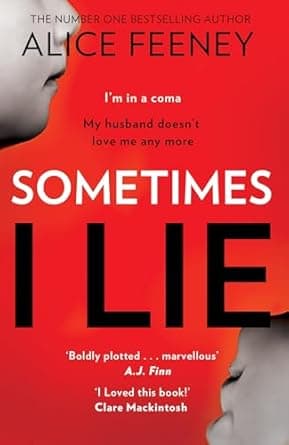
Trapped in a coma, Amber Reynolds pieces together fractured memories and overheard secrets - wondering if her husband, or even she herself, is the real liar.
Sometimes I Lie feels like a dark, twisted game of two truths and a lie, plunging readers into Amber and Claire’s tangled world while keeping us guessing who—or what—is really dangerous. Feeney masterfully blurs dreams and reality, shifting timelines and perspectives to keep you off balance, never quite sure what to trust. Her accessible, fast paced writing masks a story that’s deceptively dark, exploring deception, manipulation, toxic friendships, trauma, and mental health. At its heart, Amber and Claire’s relationship shows how intimacy can wound, and how lies sometimes feel safer than truth. Disorienting and haunting, the novel lingers long after the last page, reminding us that the most dangerous lies are often the ones we tell ourselves.
Themes: Unreliable narration; Memory and trauma; Identity and manipulation.
Weakness: The constant twists risk reader fatigue, and supporting characters feel underdeveloped.
“Confused, confused, confused”, “liar, liar, liar”. Well, the title did not lie. Still, “enjoyed the read” and “book was a breeze” came up often.
And that’s why it earned its Top 5 spot. Thank you, Christine Karori.
Our reading year was anything but gentle. From The Silent Patient’s tense psychology to Bad Signs’ moral dilemmas, Pachinko’s generational struggles, Sometimes I Lie’s disorienting truths, and Yellowface’s chaotic satire, each book explored trauma, survival, identity, and choice.
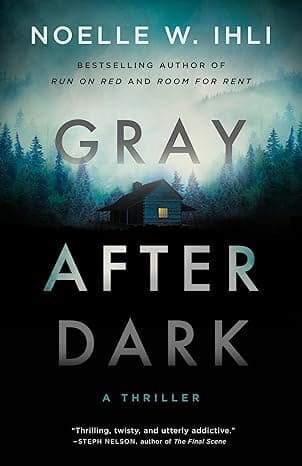
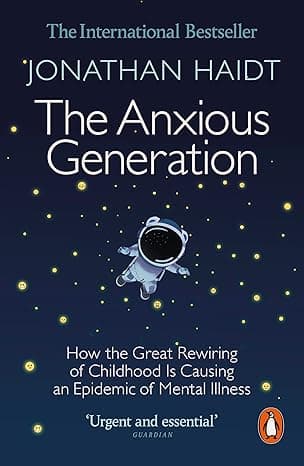
The Anxious Generation and Gray After Dark extended the discussion into modern life and fear. These reads sparked intense conversation, lingered long after the last page, and proved that meaning finds us wherever we read.
Think you can survive The Reading Circle 254 madness? Join us for banter, confessions, plot twists, and chaos. Share your hot takes, suggest your favs, roast or rave and dare to debate. Come for the books, stay for the vibes or vice versa - we don’t judge.
Loading comments...